
Authors #
Dr Joanne Bennett, Australian Catholic University
Reviewers #
Dr Madan B Regmi, United Nations Economic and Social Commission for Asia and the Pacific (Transport Division)
Helen Nguyen, University of New South Wales
1. Overview of the involvement of older adults in fatal and injury crashes #
Older adulthood is typically defined as older than 65 years of age, however research has started to increasingly distinguish between young older adults (65 – 75 years of age) and older old adults (75 years +; Folli & Bennett, 2023). Older adults are a priority population due to the demographic shift from the ageing population occurring in some parts of the world. In Australia, in 2020 older adults accounted for 16% of the population and this is estimated to increase to 23% of the population by 2066 (Australian Institute of Health and Welfare, 2024).
Older adults (aged 60 and older) consider driving essential for maintaining independence, mobility, and quality of life (Stinchcombe et al., 2021). Maintaining independence and mobility is central for healthy ageing (Webber et al., 2010), and older adults rely predominantly on private vehicles rather than public or community transport options (Currie & Delbosc, 2010; Zeitler & Buys, 2015). In Australia, licence retention among older adults is high and expected to increase as the population ages (Morgan, 2020). Most older adults who are in their 70s report that they expect to be driving for at least another decade (Anstey et al., 2017). With the increase of older adults on the road, we have also seen an increase in road fatalities, with a 14.1% increase in road fatalities for older adults 65+ over the last decade (Department of Infrastructure, Transport, Regional Development, Communications, Sport and the Arts [DITRDCSA], 2025). Older adults are more likely to be involved in motor vehicle crashes than other age groups, even when accounting for distance travelled. Older adults are not only involved in more crashes but are also at an increased risk of being seriously injured or killed (Cox & Cicchino, 2021).
Fatalities and serious injuries involving older adults are on the rise. For example, in 2020 in Australia, there were 136 motor vehicle fatalities among older adult drivers aged 65 years and older, which represents a 19.3% increase from the 114 deaths recorded in 2010. To continue the example, in Australia older pedestrians account for 40% of pedestrian crash fatalities despite only making up around 16% of the population (DITRDCSA, 2025). Rates of fatalities and injuries in older motorcyclists have been increasing (Fitzpatrick & O’Neill, 2017). Increasing age is a significant predictor of increased risk, with older old individuals (75 years +) being more than twice as likely to be killed in a road crash than any other age group (Karsch et al., 2012). Older adults are the second highest at-risk group to incur an injury which requires hospitalisation with the average cost per hospitalisation estimated at $239,000. They are also 4.5 times more likely to require long-term care than younger adults (Rod et al., 2021).
These high rates of injuries and fatalities can in part be explained by the frailty bias, where older adults are more likely to be seriously injured or killed in motor vehicle crashes because of their age-related declines in tolerance to biomechanic forces (Oxley et al., 2004). Frailty bias is not the only explanation for older adult crash risk, with research demonstrating that older adults are more likely to be at-fault in crashes, with driving errors increasing with age (Pae et al., 2025). The increased rates of at-fault crashes are attributed in part to age-related decline in visual, physical, and cognitive functioning (Anstey et al., 2017; Bond et al., 2017; Gaulton et al., 2021).
2. Overview of errors and risky behaviour that contribute to crash involvement #
Older adults have been found to have a pattern to the errors they make as road users. Research into older drivers has found that they are more likely to be at-fault in crashes, and that they have a higher likelihood of being involved in crashes when changing lanes, merging and turning across traffic, in particular when the intersection is unsignalised (Pae et al., 2025). They have also been consistently demonstrated to have slower responses times to hazards (Folli & Bennett, 2023).
As pedestrians, older adults have been found to have slower walking speeds, poorer judgement of vehicle speed and size of gaps between traffic (Wilmut & Purcell, 2022). In a systematic review older people were found to make more errors than younger people across a variety of street crossing behaviours, including poorer hazard perception and selecting more unsafe gaps (Carrigan et al., 2025). These poorer behaviours were exacerbated when roadways are more complex such as when there are multiple lanes and bidirectional traffic (Carrigan et al., 2025). Increasing age was found to be a contributing factor with older-old people (75+) engaging in more unsafe behaviours than younger older adults (65 – 75 years of age; Carrigan et al., 2025). Whilst less research has been conducted on older cyclists and motorcyclists, research has shown that older riders make more head turn errors and balance errors (Afschrift et al., 2022).
3. Explaining Older Adult Crash Involvement #
Older adults are argued to be at an increased crash risk due to age-related decline in the key skills required to be a safe road user. This includes declining physical function, cognitive function and perceptual abilities such as vision and hearing. Research has often focused on examining the effects of declining function in each of those domains individually on road safety. A multifactorial model of driving competence proposed by Anstey and colleagues (2005) outlines how declining cognition, visual and physical function all affect one’s capacity to drive, and in turn their driving behaviour. Cognitive function, however, can impact on their ability to monitor and therefore self-regulate their driving behaviour. Whilst this model was developed for drivers, evidence is building for applying a similar holistic approach and combining each of the domains to understanding the behaviour of other road users.
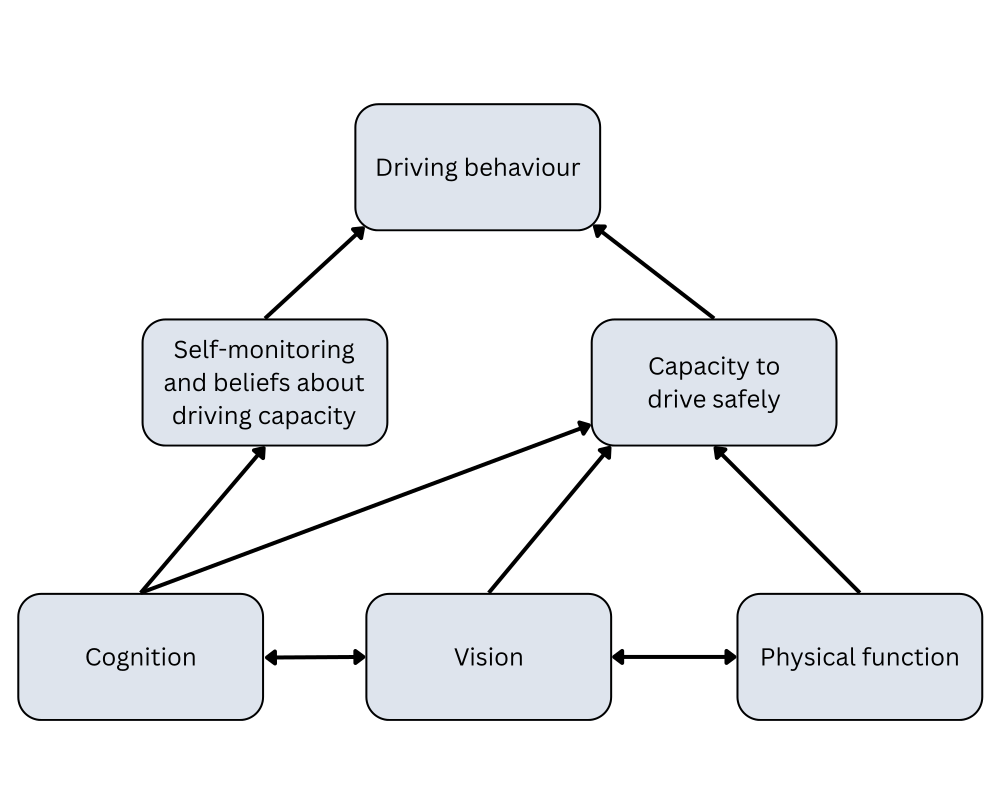
Figure 1: A multifactorial model of driving competence.
Source: Adapted from Anstey et al. (2005)
Decline in these abilities will happen to all older adults, but their rate of progression is not consistent, for example some people might have visual problems or experience cognitive decline much earlier than others.
Age-related conditions that exacerbate physical and cognitive decline such as Parkinsons disease or dementia have a significant negative impact on road safety. Older adults with age-related conditions such as dementia and Parkinson’s have been found to have an increased risk of involvement in crashes compared to age-matched older adults (Meuleners et al., 2016; Thompson et al., 2018). The prevalence rates for these disorders are increasing. As of 2024, 425,000 people in Australia are living with dementia and this number is expected to double by 2065 (Australian Institute of Health and Welfare, 2025) and for Parkinsons disease prevalence rates are increasing by 4% ever year (Parkinsons Australia, 2026). This increasing prevalence poses a challenge for the licensing system because simply having a diagnosis of an age-related condition is not a sufficient indicator of when an individual is no longer safe drive (Carter et al., 2015).
As it stands there is no evidence that there is a single age or disease diagnosis at which we can say that every individual is unsafe to navigate the roadway (Carrigan et al., 2025).
4. Behavioural interventions targeting older adults #
4.1 Licensing approaches for older drivers #
Licensing policies in Australia and New Zealand acknowledge the potential risks associated with older drivers, with all states and territories implementing some level of fitness to drive assessment for older people. However, across these countries there is no standardised method for licensing or regulating older drivers, with policies ranging from eye-sight tests only, to annual or biannual medical assessments once they reach a certain age (70, 75 or 80 years depending on the jurisdiction), to annual on-road driving tests from 85 years (Office of Road Safety, 2024). See Table 1 for breakdown of the licensing rules for older adults per jurisdiction.
| Country | Jurisdiction | Annual medical assessment requirements | |
| Australia | Australian Capital Territory | 75+ years | |
| New South Wales | 75–85 years | ||
| 85+ years | Choice between:annual practical driving testmodified (conditional) licence | ||
| Northern Territory | No age requirement | Medical review may be required if Registrar of Motor Vehicles is notified that a person is physically or mentally incapable of driving | |
| Queensland | 75+ years | Must carry a valid medical certificatethat is updated annually | |
| South Australia | 75+ years | Annual self-assessment with doctor input if needed | |
| Tasmania | No age requirement | Regular self-assessment encouragedMedical review if concerns arise | |
| Victoria | 75+ year | Licence renewal every 3 yearsNo age-based mandatory testingDrivers must self-report medical conditionsAuthorities can require testing at any age | |
| Western Australia | 80+ years | Annual medical assessmentPractical driving test only if recommended by a doctor | |
| New Zealand | National | 65–74 years | Standard licence renewal is 10 yearsMedical certificate may be required depending on health75+ years licence is more frequent |
| 75–79 years | Licence renewal every 5 years | ||
| 80+ years | Licence renewal every 2 yearsMedical certificate required at each renewal | ||
Internationally, there is also considerable variability in how fitness to drive for older people is assessed. In the USA and Canada, most states or provinces impose some level of additional assessment over the age of 70, predominantly medical fitness to drive assessments (Joyce et al., 2018; Transport Injury Research Foundation [TIRF], 2025), while in the UK there is no mandatory requirement to be tested for fitness to drive (Driver and Vehicle Licensing Agency [DVLA], n.d.). For older drivers with age related conditions such as dementia or Parkinsons, simply having a diagnosis does not mean that they have their licence removed. In most jurisdictions they are required to undergo mandatory yearly fitness to drive assessments.
Many of the policies that require an assessment of older adults rely on a medical fitness to drive test which need to be conducted by medical practitioners. In Australia and New Zealand, medical practitioners have reported hesitancy in making the final decision due to a lack of confidence they are making the correct decision, the impact it may have on the practitioner-patient relationship, and the distress the decision would inflict on the older person (Bennett et al., 2019; Butler et al., 2020). The difficulty faced by medical practitioners has led to the burden of responsibility being pushed onto families or the individual themselves. Similarly, in jurisdictions where there is no requirement to undergo testing the decision-making process is left entirely to the individual or their support network.
Evidence on the efficacy of these licensing programs for improving safety outcomes for older adults is limited. In a comparison of two jurisdictions in Australia, mandatory age-related assessments were found to have no demonstrable safety outcomes for older adults (Langford et al., 2004). This finding was echoed in a review of European licensing practices which found that licensing procedures were not evidence-based, and that the benefits of age-related assessments are unlikely to outweigh the negative consequences (Siren & Haustein, 2015). Licensing policies which are complex and restrictive can result in older adults stopping driving too early, particularly women who are more likely to give up their licences sooner than men (Siren & Haustein, 2015). Given the benefits of mobility to healthy ageing, stopping driving too soon can have significant negative impacts on wellbeing.
4.2 The role of self-regulation for older drivers #
Many older drivers seek a way to maintain their driving mobility while acknowledging their declining driving ability. They do this by self-regulating their driving practices to compensate for, or to minimise the impact of their deteriorating driving abilities (Ang et al., 2019). Reported self-regulation strategies include avoiding driving long distances, only driving in daylight, not driving in adverse conditions, or driving with a passenger (Byszewski et al., 2013, Charlton et al., 2006). Self-regulation driving practices require older drivers to have a reliable level of insight into their physical and cognitive abilities (Ang et al., 2019). Insight is not always possible due to cognitive impairments such as dementia, or because of decisional barriers due to the perceived negative impact of stopping driving (Levasseur, et al., 2016; Moorhouse & Hamilton, 2015). Self-regulation is a mechanism which works to keep older drivers safely on the road to a point, however frequently older people are not well equipped to understand when their self-perception of their driving abilities is no longer accurate (Oxley et al., 2004).
4.3 Driver training #
Training interventions for older drivers have been found to significantly reduce the number of on-road driving crashes and improve on-road driving skills (Ishii et al., 2023). A review conducted by Sangrar et al. (2019) found that 25 randomised controlled trials and eight non-randomised control trials had been conducted across a variety of interventions to improve older adults driving performance. Interventions were categorised as either education-based, physical exercise, cognitive training, or a combination of the types. The results of this review showed that classroom-based education with and without driver feedback improved road safety knowledge, but that interventions which were tailored to the individuals changed self-perception of driving improved on-road performance. There was also evidence for the use of multi-disciplinary interventions which incorporated medical and allied health practitioners was also found to improve driving performance. Training interventions that targeted specific skills such as hazard perception have also been found to be beneficial with a review showing that training can significantly improve hazard perception in older drivers (Folli & Bennett, 2023). The long-term efficacy of these training programs however is largely unknown with few studies evaluating retention of skills (Castellucci et al., 2020). There is promising evidence that interventions can deliver long-term improvement in behaviour with a study by Romoser et al. (2013) demonstrating that an improvement in head check behaviour in older drivers was still evident 2 years following training. This finding however may be population specific with a study of older drivers with mild cognitive impairment finding that training did not demonstrate long-term improvements in behaviour (Teasdale et al., 2016). More longitudinal research is needed to determine the value of training programs for older adults. Most older adults do not engage in using driving training programs as there is limited availability and accessibility with most programs not currently scalable, are high in cost and do not operate in regional and rural areas.
4.4 Driving cessation #
Maintaining mobility is a critical component of healthy ageing (World Health Organization [WHO], 2020). Given that most older people are likely to maintain their mobility through driving, stopping driving can have a significant impact on their wellbeing. The act of stopping driving has been consistently demonstrated to be challenging for older adults (Liddle et al., 2024). Negative outcomes in physical health, cognitive health, social health, and mental health have been reported (Chihuri et al., 2016). There is growing evidence that stopping driving exacerbates and hastens functional decline (Chihuri et al., 2016). This results in older adults who have stopped driving being approximately five times more likely to require formal long-time care than those who are still driving (Freeman et al., 2006).
Timing of the decision to stop driving is an important consideration. Premature retirement from driving may result in a decline in mental health and unnecessary lifestyle changes which could be deferred or avoided, while delayed retirement from driving may result in an inability to make the decision, or a serious crash resulting in injury or death (Choi et al., 2012; Meuser et al., 2013; Robertsen et al., 2022). Harmon et al. (2018) reported that despite most older adults needing to retire from driving at some point, older drivers consistently avoid planning for driving cessation. Planning is avoided due to the perceived difficulty of the decision, and because the outcome is considered both undesirable and unnecessary. Studies by Dickerson et al. (2024) and Feng et al. (2020) highlight the importance of planning for driving retirement, with both studies reporting that proactive planning for retirement reduced the negative impact the decision had on older people’s wellbeing. Furthermore, Dickerson et al. (2024) suggested that planning for driving retirement allowed older adults to have ownership of the decision, which decreased the negative outcomes associated with having the decision taken away from them. Despite these outcomes, older people often delay or defer planning to retire from driving due in part to an inability to accurately assess when the right to time to retire may be (Meuser et al., 2013; Veerhuis et al., 2024).
Clinical guidelines have stipulated that because driving cessation can lead to poor outcomes for older adults, they should be monitored and provided with support to mitigate against negative outcomes (American Geriatrics Society, 2019). A variety of resources have been developed to support older adults in making their decision regarding driving retirement, however there is limited evidence on the efficacy of these resources. Furthermore, research on interventions and strategies to support older people with this life transition is limited (Dickerson et al., 2024). A recent study highlights how older adults and their families are calling for greater support from licensing agencies and medical professionals as they navigate stopping driving (Nguyen et al., 2025).
4.5 Vulnerable road users #
Less research has been done into behavioural interventions for older adults who are vulnerable road users. For pedestrians, a recent review into pedestrian training interventions found only eight studies have examined training programs for older pedestrians (Blanks et al., 2024). From the review only specific behaviours improved following training including reducing missed gaps and improving reaction time, but the long-term retention of these training effects is not promising (Blanks et al., 2024).
In a scoping review by Kardan et al. (2023), studies on cycling in older adults have focused on examining safety including helmet use, understanding the use of cycling as an alternative transport option and examining the health benefits of cycling. Kardan et al. (2023) found a lack of studies that have examined interventions to improve cycling safety or promote cycling to older people. In a randomised controlled trial by Keppner et al. (2023) older cyclists completed an 8-session cycling exercise program which was found to reduce errors and improve cycling skills. This provides preliminary evidence of the benefits of training interventions for improving safety for older cyclists.
A review into older motorcyclists found that older people mainly ride for leisure purposes and ride larger capacity motorcycles with many returning to riding after a period away from riding (Fitzpatrick & O’Neill, 2017). It has been argued that this cohort of riders could benefit from additional education and training, however there are currently no dedicated training programs for older riders and no research on the efficacy of such a program for older adults (Knight & Currie, 2019).
Older adults are the predominant group of mobility scooter users with research demonstrating that the prevalence of scooter training is low, with less than one quarter of users receiving training (Mortenson et al., 2016). Evidence for the efficacy of scooter training shows promising that repeated sessions can boost scooter driving skills (Mortenson & Kim, 2016).
4.6 Road safety messaging #
Media campaigns are more accepted by older people when they are framed positively with a focus on independence and self-efficacy, whereas negatively framed campaigns can lead to decision avoidance and reluctance to engage with changing their behaviour (Shamaskin et al., 2010). With respect to road safety messaging, research has shown that older adults need succinct messages with a clear call to action, realistic portrayals of older people, and positive messaging (Chand et al., 2023). The source that provides the information must be seen as reputable and trustworthy. Campaigns delivered via traditional forms of media such as television and radio are more effective (Chand et al., 2023).
5. Non-behavioural interventions targeting older adults #
5.1 Public transport #
Older adults are less likely to use public transport than younger people, with frequent use being more common for those without a licence (Ravensbergen et al., 2023). Most governments worldwide promote the use of public transport for older adults by offering discounted fares. These initiatives have been found to positively impact on the physical wellbeing and mental health of older adults (Rambaldini-Gooding et al., 2021). For older adults to use public transport it needs to be accessible as their limited mobility impacts on their ability to use public transport (Ravensbergen et al., 2021). Accessibility issues include problems with scheduling and routes, connectivity issues, having to walk far to access it, transit stops not being clearly marked and not surrounded by safe pedestrian infrastructure (Lamanna et al., 2019). The problem of accessibility is worse for older people in regional and rural areas where public transport is limited (Lamanna et al., 2019). Improving public transport options is a common call made by older adults to support their mobility needs as they age and transition away from driving (Schofield et al., 2023).
5.2 Infrastructure improvements #
Building age friendly environments is an initiative of the World Health Organization with the goal to help older people age well. Improving outdoor spaces and transportation to ensure they are accessible and safe are two key priorities of this initiative. In an umbrella review conducted by Stearns et al. (2023) key infrastructure strategies for older adults globally are improving walkability of pathways, improving street connectivity, building cycling infrastructure, improving public transport infrastructure and improving the aesthetics and cleanliness of the environment. A review by Patil et al. (2022) on realistic strategies in LMCI countries argued that good governance that includes older adults in planning is needed to support the development of sustainable transport infrastructure.
5.3 Vehicle improvements #
Improvements in driver assistance systems and automated vehicle technology has been touted as means of improving safety for older adults. Despite this, most of the research conducted to date on vehicle technologies has focused on younger drivers (Furlan et al., 2020). Advanced driver assistance systems (ADAS) have been argued to improve older driver safety however the evidence is not conclusive. A scoping review found that a positive impact on safety in 14 out of 20 simulator studies (only three demonstrated a negative effect with the remaining inconclusive), however only two out of four studies demonstrated a positive impact on safety in on-road studies with one negative and the other inconclusive (Classen et al., 2019). Whilst less research has focused on examining the safety benefits of ADAS in on-road studies, older adults trialling the technologies in naturalistic studies have self-reported that the systems do make them feel safer on the road (Liang et al., 2020).
The benefits of vehicle technologies can only be realised if the technology is adopted. Older adults have been found to have lower levels of trust and adoption of vehicle automation technology (Lajunen & Sullman, 2021). Although they recognise that ADAS can help preserve their autonomy, they remain wary of more advanced systems, largely because of concerns about ease of use, reliability and invasiveness (Biassoni & Gnerre, 2024). This is a function of increasing automation, the higher the level of automation, the less it is preferred by older adults (Lajunen & Sullman, 2021). Older adults tend to require a higher level of evidence of vehicle safety than younger adults before they will adopt new technologies (Liu et al., 2019). If these technologies can be made in a more user-friendly way, with an increase in their flexibility and a reduction in their complexity, older adults have indicated that they will be more inclined to use ADAS to support their driving (Wood et al., 2024).
6. Key priorities for further research and intervention #
As the population continues to age, improving safety for older adults has been identified as a priority. To support the development and implementation of effective interventions to improve their safety, future research should prioritise:
- Examining the behaviours of older adults when they interact with the roadway as pedestrians, cyclists, motorcyclists and using mobility scooters. Better understanding their behaviours will support the development of targeted training interventions as training has been shown to have a promising impact on improving safety for older adults.
- Examination of the long-term effectiveness of older driver training programs and if found to be effective, consideration is needed on the roll out of these programs to ensure availability, accessibility and affordability.
- Developing evidence-based resources for supporting older adults in not only making their decision to retire from driving, but also that support their wellbeing during this transition.
- Engage with older adults in the development of infrastructure related projects to support improving walkability, accessibility and connectivity of their local areas.
- More research is needed on the benefits of in vehicle technologies for older adults, particularly using on-road studies. It would be important to understand whether this technology improves safety for older adults, and if so, how we can improve trust and uptake of this technology by older adults.
7. Reference List #
Afschrift, M., Matthijs, A., De Ryck, T., De Groote, F., & De Xivry, J. J. O. (2022). Turning the head while biking makes older people lose cycling direction and balance. BioRxiv, 2022-03.
American Geriatrics Society. (2019). Clinicians Guide to Assessing and Counselling Older Drivers (4th ed.) https://geriatricscareonline.org/ProductAbstract/clinicians-guide-to-assessing-and-counseling-older-drivers-4th-edition/B047
Ang, B. H., Oxley, J. A., Chen, W. S., Yap, K. K., Song, K. P., & Lee, S. W. H. (2019). To reduce or to cease: A systematic review and meta-analysis of quantitative studies on self-regulation of driving. Journal of Safety Research, 70, 243-251. https://doi.org/10.1016/j.jsr.2019.03.007
Anstey, K. J., Wood, J., Lord, S., & Walker, J. G. (2005). Cognitive, sensory and physical factors enabling driving safety in older adults. Clinical Psychology Review, 25(1), 45-65. https://doi.org/10.1016/j.cpr.2004.07.008
Anstey, K. J., Li, X., Hosking, D. E., & Eramudugolla, R. (2017). The epidemiology of driving in later life: Sociodemographic, health and functional characteristics, predictors of incident cessation, and driving expectations. Accident Analysis and Prevention, 107, 110–116. https://doi.org/10.1016/j.aap.2017.07.026
Australian Institute of Health and Welfare. (2025). Dementia in Australia. https://www.aihw.gov.au/reports/dementia/dementia-in-aus/contents/how-many-people-have-dementia/prevalence-of-dementia
Australian Institute of Health and Welfare. (2024). Older Australians. https://www.aihw.gov.au/reports/older-people/older-australians/contents/demographic-profile
Bennett, J. M., Chekaluk, E., & Batchelor, J. (2019). Determining fitness to drive for drivers with dementia – a medical practitioner perspective. Journal of the Australasian College of Road Safety, 30(2), 9-17.
Biassoni, F., & Gnerre, M. (2024). Understanding elderly drivers’ perception of advanced driver assistance systems: A systematic review of perceived risks, trust, ease of use, and usefulness. Geriatrics, 9(6), 144. https://doi.org/10.3390/geriatrics9060144
Blanks, L. N., Carrick, Z. T., McGuckian, T. B., & Bennett, J. M. (2024). The efficacy of training to improve road safety in elderly pedestrians: A systematic review. Accident Analysis & Prevention, 207, 107735. https://doi.org/10.1016/j.aap.2024.107735
Bond, E. G., Durbin, L. L., Cisewski, J. A., Qian, M., Guralnik, J. M., Kasper, J. D., & Mielenz, T. J. (2017). Association between baseline frailty and driving status over time: A secondary analysis of The National Health and Aging Trends Study. Injury Epidemiology, 4(1), 9–9. https://doi.org/10.1186/s40621-017-0106-y
Butler, M., Brookland, R., Shope, J. T., Kerse, N., & Connolly, M. J. (2020). Medical fitness to drive assessment with older drivers: A qualitative study with general practitioners in New Zealand. Journal of Transport & Health, 17, 100856. https://doi.org/10.1016/j.jth.2020.100856
Byszewski, A., Aminzadeh, F., Robinson, K., Molnar, F., Dalziel, W., Man Son Hing, M., Hunt, L. & Marshall, S. (2013). When it is time to hang up the keys: The driving and dementia toolkit – for persons with dementia (PWD) and caregivers – a practical resource. BMC Geriatrics, 13, 1-5. https://doi.org/10.1186/1471-2318-13-117
Carrigan, A., McGuckian, T. B., Prabhakharan, P., Tasnim, N., McCracken, G., & Bennett, J. M. (2025). Towards a model for understanding the pedestrian behaviours of older adults with and without cognitive impairment: A systematic review. Transportation Research Part F: Traffic Psychology and Behaviour, 114, 1142-1160. https://doi.org/10.1016/j.trf.2025.07.001
Carter, K., Monaghan, S., O’Brien, J., Teodorczuk, A., Mosimann, U., & Taylor, J. P. (2015). Driving and dementia: a clinical decision pathway. International journal of geriatric psychiatry, 30(2), 210-216. https://doi.org/10.1002/gps.4132
Castellucci, H. I., Bravo, G., Arezes, P. M., & Lavallière, M. (2020). Are interventions effective at improving driving in older drivers?: A systematic review. BMC Geriatrics, 20(1), 125. https://doi.org/10.1186/s12877-020-01512-z
Chand, B. R., Veerhuis, N., & Traynor, V. (2023). “I don’t trust it, so I don’t read it”: How do older Australians navigate and search for information about their health and driving?. Traffic Injury Prevention, 24(3), 224-231. https://doi.org/10.1080/15389588.2023.2169044
Charlton, J. L., Oxley, J., Fildes, B., Oxley, P., Newstead, S., Koppel, S., & O’Hare, M. (2006). Characteristics of older drivers who adopt self-regulatory driving behaviours. Transportation Research Part F: Traffic Psychology and Behaviour, 9(5), 363-373. https://doi.org/10.1016/j.trf.2006.06.006
Chihuri, S., Mielenz, T. J., DiMaggio, C. J., Betz, M. E., DiGuiseppi, C., Jones, V. C., & Li, G. (2016). Driving cessation and health outcomes in older adults. Journal of the American Geriatrics Society, 64(2), 332-341. https://doi.org/10.1111/jgs.13931
Choi, M., Mezuk, B., & Rebok, G. W. (2012). Voluntary and involuntary driving cessation in later life. Journal of Gerontological Social Work, 55(4), 367-376. https://doi.org/10.1080/01634372.2011.642473
Classen, S., Jeghers, M., Morgan-Daniel, J., Winter, S., King, L., & Struckmeyer, L. (2019). Smart in-vehicle technologies and older drivers: A scoping review. OTJR: Occupation, Participation and Health, 39(2), 97-107. https://doi.org/10.1177/1539449219830376
Cox, A. E., & Cicchino, J. B. (2021). Continued trends in older driver crash involvement rates in the United States: Data through 2017–2018. Journal of Safety Research, 77, 288-295. https://doi.org/10.1016/j.jsr.2021.03.013
Currie, G., & Delbosc, A. (2010). Exploring public transport usage trends in an ageing population. Transportation, 37, 151-164. https://doi.org/10.1007/s11116-009-9224-x
Department of Infrastructure, Transport, Regional Development, Communications and the Arts. (2025). Road Safety of Older People. https://datahub.roadsafety.gov.au/safe-systems/safe-road-use/road-safety-older-people
Dickerson, A. E., Stapleton, T., Bloss, J., Géinas, I., Harries, P., Choi, M., Margot-Cattin, I., Mazer, B., Patomella, A., Swanepoel, L., Van Niekerk, L., Unsworth, C. A. & Vrkljan, B. (2024). A systematic review of effective interventions and strategies to support the transition of older adults from driving to driving retirement/cessation. Innovation in Aging, 8(6). https://doi.org/10.1093/geroni/igae054
Driver and Vehicle Licensing Agency. (n.d.). Renew your driving licence if you’re 70 or over. https://www.gov.uk/renew-driving-licence-at-70
Feng, Y. R., & Meuleners, L. (2020). Planning for driving cessation in older drivers. Transportation Research Part F: Traffic Psychology and Behaviour, 72, 62-70. https://doi.org/10.1016/j.trf.2020.05.005
Fitzpatrick, D., & O’Neill, D. (2017). The older motorcyclist. European Geriatric medicine, 8(1), 10-15. https://doi.org/10.1016/j.eurger.2016.10.004
Folli, M., & Bennett, J. M. (2023). Factors that predict hazard perception in older adult road-users: A systematic review. Transportation Research Part F: Traffic Psychology and Behaviour, 99, 19-35. https://doi.org/10.1016/j.trf.2023.10.008
Freeman, E. E., Gange, S. J., Muñoz, B., & West, S. K. (2006). Driving status and risk of entry into long-term care in older adults. American Journal of Public Health, 96(7), 1254-1259.
Furlan, A. D., Kajaks, T., Tiong, M., Lavallière, M., Campos, J. L., Babineau, J., Haghzare, S., Ma, T. & Vrkljan, B. (2020). Advanced vehicle technologies and road safety: A scoping review of the evidence. Accident Analysis & Prevention, 147, 105741. https://doi.org/10.1016/j.aap.2020.105741
Gaulton, T. G., Neuman, M. D., Brown, R. T., & Betz, M. E. (2021). Association of hospitalization with driving reduction and cessation in older adults. Journal of the American Geriatrics Society, 69(8), 2231–2239. https://doi.org/10.1111/jgs.17178
Harmon, A. C., Babulal, G. M., Vivoda, J. M., Zikmund-Fisher, B. J., & Carr, D. B. (2018). Planning for a nondriving future: Behaviors and beliefs among middle-aged and older drivers. Geriatrics, 3(2). https://doi.org/10.3390/geriatrics3020019
Ishii, H., Okubo, Y., Doi, T., Tsutsumimoto, K., Nakakubo, S., Kurita, S., Uemura, K., Misu, S., Sawa, R., Hashiguchi, Y., Shimada, H. & Arai, H. (2023). Effect of driving training on car crashes and driving skills in older people: A systematic review and meta‐analysis. Geriatrics & Gerontology International, 23(11), 771-778. https://doi.org/10.1111/ggi.14702
Joyce, J., Lococo, K. H., Gish, K. W., Mastromatto, T., Stutts, J., Thomas, D., & Blomberg, R. (2018). Older driver compliance with license restrictions (Report No. DOT HS 812 486). National Highway Traffic Safety Administration. https://www.nhtsa.gov/sites/nhtsa.gov/files/documents/older_driver_compliance_with_license_restrictions.pdf
Kardan, M., Akter, T., Iqbal, M., Tcymbal, A., Messing, S., Gelius, P., & Abu-Omar, K. (2023). Cycling in older adults: a scoping review. Frontiers in Sports and Active Living, 5, 1157503. https://doi.org/10.3389/fspor.2023.1157503
Karsch, H. M., Hedlund, J. H., Tison, J., Leaf, W. A., & Preusser Research Group. (2012). Review of studies on pedestrian and bicyclist safety, 1991–2007 (Report No. DOT HS 812 486). National Highway Traffic Safety Administration. https://rosap.ntl.bts.gov/view/dot/1918/dot_1918_DS1.pdf
Keppner, V., Krumpoch, S., Kob, R., Rappl, A., Sieber, C. C., Freiberger, E., & Siebentritt, H. M. (2023). Safer cycling in older age (SiFAr): effects of a multi-component cycle training. a randomized controlled trial. BMC Geriatrics, 23(1), 131. https://doi.org/10.1186/s12877-023-03816-2
Knight, G., & Currie, J. L. (2019). Older Motorcyclists and Road Safety Education: An Australian context. Journal of Social Welfare and Human Rights, 7(1), 1-6. https://doi.org/10.15640/10.15640/jswhr.v7n1a1
Lajunen, T., & Sullman, M. J. (2021). Attitudes toward four levels of self-driving technology among elderly drivers. Frontiers in Psychology, 12, 682973. https://doi.org/10.3389/fpsyg.2021.682973
Lamanna, M., Klinger, C. A., Liu, A., & Mirza, R. M. (2019). The association between public transportation and social isolation in older adults: A scoping review of the literature. Canadian Journal on Aging/La Revue canadienne du vieillissement, 39(3), 393-405. https://doi.org/10.1017/S0714980819000345
Langford, J., Fitzharris, M., Koppel, S., & Newstead, S. (2004). Effectiveness of mandatory license testing for older drivers in reducing crash risk among urban older Australian drivers. Traffic Injury Prevention, 5(4), 326-335. https://doi.org/10.1080/15389580490509464
Levasseur, M., Coallier, J. C., Gabaude, C., Beaudry, M., Bédard, M., Langlais, M. È., & St-Pierre, C. (2016). Facilitators, barriers and needs in the use of adaptive driving strategies to enhance older drivers’ mobility: Importance of openness, perceptions, knowledge and support. Transportation Research Part F: Traffic Psychology and Behaviour, 43, 56-66. https://doi.org/10.1016/j.trf.2016.09.014
Liang, D., Lau, N., Baker, S. A., & Antin, J. F. (2020). Examining senior drivers’ attitudes toward advanced driver assistance systems after naturalistic exposure. Innovation in Aging, 4(3), igaa017. https://doi.org/10.1093/geroni/igaa017
Liddle, J., Scott, T. L., Hoyle, M., Salmon, A., Gustafsson, L., & Pachana, N. A. (2024). The mental health outcomes of driving cessation for older people: A systematic review. International Psychogeriatrics, 100020. https://doi.org/10.1016/j.inpsyc.2024.100020
Liu, P., Zhang, Y., & He, Z. (2019). The effect of population age on the acceptable safety of self-driving vehicles. Reliability Engineering & System Safety, 185, 341–347. https://doi.org/10.1016/j.ress.2019.01.003
Meuleners, L. B., Ng, J., Chow, K., & Stevenson, M. (2016). Motor vehicle crashes and dementia: A population‐based study. Journal of the American Geriatrics Society, 64(5), 1039-1045. https://doi.org/10.1111/jgs.14109
Meuser, T. M., Berg-Weger, M., Chibnall, J. T., Harmon, A. C., & Stowe, J. D. (2013). Assessment of readiness for mobility transition (ARMT): A tool for mobility transition counseling with older adults. Journal of Applied Gerontology, 32(4), 484-507. https://doi.org/10.1177/0733464811425914
Moorhouse, P., & Hamilton, L. (2015). Not if, but when: A communication-based intervention for driving cessation. Journal of Gerontology & Geriatric Research, 4(215). http://doi.org/10.4172/2167-7182.1000215
Morgan, R. (2020). New data shows decreasing population of younger drivers on our roads, but more seniors staying behind the wheel. Roy Morgan. https://www.roymorgan.com/findings/new-data-shows-decreasing-proportion-of-younger-drivers-on-our-roads-but-more-seniors-staying-behind-the-wheel
Mortenson, W. B., Hoag, E., Higgins, R., Emery, R. & Joyce L. (2016). Stakeholders’ perspectives related to the development of a scooter training program. Disability and Rehabilitation: Assistive Technology 11(4):289–94. http://dx.doi.org/10.3109/17483107.2014.951975
Mortenson, W. B., & Kim, J. (2016). Scoping review of mobility scooter-related research studies. Journal of Rehabilitation Research & Development, 53(5).
Nguyen, H., Brown, J., & Keay, L. (2025). Older drivers, family members and caregivers’ views on the NSW age-based licensing; A mixed-methods approach. medRxiv, 2025-12. https://www.medrxiv.org/content/10.64898/2025.12.07.25341793v1.full
Office of Road Safety. (2024, March). Rules for older drivers by State and Territory (Report No. INFRA6351). Australian Government. https://www.officeofroadsafety.gov.au/sites/default/files/documents/infra6351-ors-rules-for-older-drivers-acc.pdf
Oxley, J., Corben, B., Fildes, B., O’Hare, M., & Rothengatter, J. (2004). Older vulnerable road users – measures to reduce crash and injury risk (Report No. 218). Melbourne, Australia, Monash University Accident Research Centre .
Pae, G., Davis, J., Cavanaugh, J., Zhu, M., & Hamann, C. (2025). Predictors of driving errors contributing to crashes in older adults across age groups, 2010 to 2020. Journal of Safety Research, 92, 40-47. https://doi.org/10.1016/j.jsr.2024.11.010
Parkinson’s Australia. (2026). About Parkinson’s – Incidence & prevalence.
https://www.parkinsons.org.au/information-hub/incidence-prevalence/#:~:text=Parkinson’s%20is%20the%20fastest%2Dgrowing%20neurological%20condition%20in,will%20more%20than%20triple%20over%20this%20time
Patil, D. S., Bailey, A., Yadav, U. N., George, S., Helbich, M., Ettema, D., & Ashok, L. (2022). Contextual factors influencing the urban mobility infrastructure interventions and policies for older adults in low-and middle-income countries: a realist review. BMC Public Health, 22(1), 1489. https://doi.org/10.1186/s12889-022-13875-6
Rambaldini-Gooding, D., Molloy, L., Parrish, A. M., Strahilevitz, M., Clarke, R., Dubrau, J. M. L., & Perez, P. (2021). Exploring the impact of public transport including free and subsidised on the physical, mental and social well-being of older adults: a literature review. Transport Reviews, 41(5), 600-616. https://doi.org/10.1080/01441647.2021.1872731
Ravensbergen, L., Newbold, K. B., Ganann, R., & Sinding, C. (2021). ‘Mobility work’: Older adults’ experiences using public transportation. Journal of Transport Geography, 97, 103221. https://doi.org/10.1016/j.jtrangeo.2021.103221
Ravensbergen, L., Varickanickal, J., Newbold, K. B., & Mohamed, M. (2023). A mixed-methods investigation of older adults’ public transit use and travel satisfaction. Travel Behaviour and Society, 32, 100577. https://doi.org/10.1016/j.tbs.2023.100577
Robertsen, R., Lorås, H. W., Polman, R., Simsekoglu, O., & Sigmundsson, H. (2022). Aging and driving: A comparison of driving performance between older and younger drivers in an on-road driving test. Sage Open, 12(2), 21582440221096133. https://doi.org/10.1177/21582440221096133
Rod, J. E., Oviedo-Trespalacios, O., Senserrick, T., & King, M. (2021). Older adult pedestrian trauma: A systematic review, meta-analysis, and GRADE assessment of injury health outcomes from an aggregate study sample of 1 million pedestrians. Accident Analysis & Prevention, 152, 105970. https://doi.org/10.1016/j.aap.2021.105970
Romoser, M. R. (2013). The long-term effects of active training strategies on improving older drivers’ scanning in intersections: A two-year follow-up to Romoser and Fisher (2009). Human Factors, 55(2), 278-284. https://doi.org/10.1177/0018720812457566
Sangrar, R., Mun, J., Cammarata, M., Griffith, L. E., Letts, L., & Vrkljan, B. (2019). Older driver training programs: A systematic review of evidence aimed at improving behind-the-wheel performance. Journal of Safety Research, 71, 295-313. https://doi.org/10.1016/j.jsr.2019.09.022
Schofield, K., Kean, B., Oprescu, F., Downer, T., & Hardy, M. (2023). A systematic review and meta-synthesis of the complex and interconnected factors that influence planning for driving retirement. Journal of Safety Research, 85, 42-51. https://doi.org/10.1016/j.jsr.2023.01.005
Shamaskin A.M., Mikels J.A., & Reed A.E. (2010). Getting the message across: Age differences in the positive and negative framing of health care messages. Psychology and Aging. 25(3), 746–751.
Siren, A., & Haustein, S. (2015). Driving licences and medical screening in old age: Review of literature and European licensing policies. Journal of Transport & Health, 2(1), 68–78. https://doi.org/10.1016/j.jth.2014.09.003
Stearns, J. A., Avedzi, H. M., Yim, D., Spence, J. C., Labbaf, F., Lamboglia, C. G., Ko, F., Farmer, C., Lytvyak, E., Kennedy, M., Kim, Y. B., Ren, H. & Lee, K. K. (2023). An umbrella review of the best and most up-to-date evidence on the built environment and physical activity in older adults ≥ 60 years. Public Health Reviews, 44, 1605474. https://doi.org/10.3389/phrs.2023.1605474
Stinchcombe, A., Hopper, S., Mullen, N., & Bédard, M. (2024). Canadian older adults’ perceptions of transitioning from driver to non-driver. Occupational Therapy In Health Care, 38(1), 110–130. https://doi.org/10.1080/07380577.2021.1936338
Teasdale, N., Simoneau, M., Hudon, L., Germain Robitaille, M., Moszkowicz, T., Laurendeau, D., Bherer, L. Duchesne, S. & Hudon, C. (2016). Older adults with mild cognitive impairments show less driving errors after a multiple sessions simulator training program but do not exhibit long term retention. Frontiers in Human Neuroscience, 10, 653. https://doi.org/10.3389/fnhum.2016.00653
Thompson, T., Poulter, D., Miles, C., Solmi, M., Veronese, N., Carvalho, A. F., Stubbs, B. & Uc, E. Y. (2018). Driving impairment and crash risk in Parkinson disease: a systematic review and meta-analysis. Neurology, 91(10), e906-e916. https://doi.org/10.1212/WNL.0000000000006132
Transport Injury Research Foundation. (2025). Older Drivers: We Should be Old Enough to Know Better. https://tirf.ca/blog/older-drivers/
Veerhuis, N., Traynor, V., & Randle, M. (2024). ‘… it’s hard to prepare yourself, it’s like a death’: Barriers and facilitators to older people discussing and planning for driving retirement. Ageing & Society, 44(8), 1831-1857. https://doi.org/10.1017/S0144686X22001064
Webber, S. C., Porter, M. M., & Menec, V. H. (2010). Mobility in older adults: A comprehensive framework. The Gerontologist, 50(4), 443–450. https://doi.org/10.1093/geront/gnq013
Wilmut, K., & Purcell, C. (2022). Why are older adults more at risk as pedestrians? A systematic review. Human Factors, 64(8), 1269-1291. https://doi.org/10.1177/0018720821989511
Wood, J. M., Henry, E., Kaye, S. A., Black, A. A., Glaser, S., Anstey, K. J., & Rakotonirainy, A. (2024). Exploring perceptions of Advanced Driver Assistance Systems (ADAS) in older drivers with age-related declines. Transportation Research Part F: Traffic Psychology and Behaviour, 100, 419-430. https://doi.org/10.1016/j.trf.2023.12.006
World Health Organization. (2020). Healthy ageing and functional mobility.
https://www.who.int/news-room/questions-and-answers/item/healthy-ageing-and-functional-ability#:~:text=Healthy%20ageing%20is%20about%20creating,%2C%20see%2C%20hear%20and%20remember.
Zeitler, E., & Buys, L. (2015). Mobility and out-of-home activities of older people living in suburban environments: ‘Because I’m a driver, I don’t have a problem’. Ageing & Society, 35(4), 785-808.